Travel Money Tips: How to Keep More of Your Cash When Traveling Abroad
Eight practical tips for managing money abroad — from avoiding airport exchanges and dynamic currency conversion to choosing the right card and ATM strategy.
- travel money
- travel tips
- currency exchange
- no foreign transaction fee
- travel finance
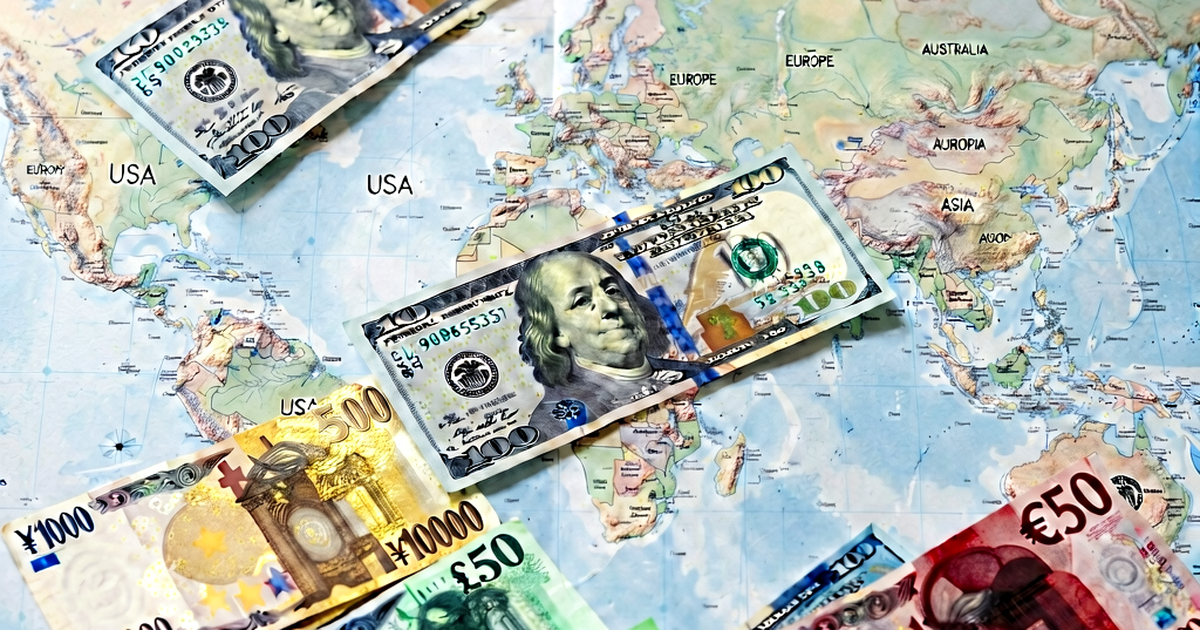
International travel involves a lot of small financial decisions, and the wrong ones add up. Paying a 10% markup at an airport exchange, accepting dynamic currency conversion at a restaurant, or using the wrong card at an ATM can each cost you more than a decent meal in most destinations. None of these costs are inevitable. With a bit of preparation, you can keep most of them close to zero.
Here are eight practical tips that travel-experienced people consistently use to manage money abroad.
1. Use a No-Foreign-Transaction-Fee Credit Card for Most Purchases
This is the single highest-impact change most travelers can make. Standard credit cards often charge a foreign transaction fee of 1% to 3% on every purchase made in a foreign currency. Over a two-week trip with moderate spending, that fee compounds.
Credit cards that waive the foreign transaction fee give you the Visa or Mastercard network exchange rate — which tracks very close to the mid-market rate — with no additional markup. For day-to-day purchases in shops, restaurants, and hotels, this is typically the most cost-efficient way to spend.
Before your trip, check whether your existing card charges a foreign transaction fee (it will be listed in the card’s terms and fee schedule). If it does, and you travel regularly, it may be worth opening a card specifically for travel use.
2. Withdraw Local Currency from ATMs at Your Destination
For cash, ATMs at your destination generally offer better rates than exchanging cash before you leave. When you withdraw from an ATM abroad, the exchange happens through the card network (Visa or Mastercard) at a rate close to the interbank rate. Your home bank may charge an international ATM fee — typically $3 to $5 per withdrawal — but this is usually still better than the 5–12% markup at a currency exchange desk.
The key is to take out larger amounts less frequently rather than small amounts multiple times. Each withdrawal incurs the flat fee; spreading your ATM visits minimizes how much that fee costs relative to what you withdraw.
3. Avoid Dynamic Currency Conversion (DCC)
Dynamic currency conversion is one of the more insidious costs in international travel. It occurs when a foreign merchant or ATM offers to charge you in your home currency instead of the local currency — “We can charge you in US dollars, so you know exactly what you are paying.”
This sounds helpful but is not. When the merchant converts the amount to your home currency, they use their own exchange rate, which typically includes a markup of 3% to 7% above the market rate. Your credit card then has no foreign transaction to process, so you do not even benefit from your card’s competitive rate.
Always, without exception, pay in the local currency when given the choice. At an ATM, select to be charged in the local currency. On a card terminal, if asked, choose the local currency. “Pay in [home currency]” at a foreign terminal is almost always the more expensive option.
4. Check Your Bank’s International ATM Fees Before You Go
Not all banks charge the same fees for international ATM use, and some have arrangements that make foreign ATM use very affordable. A few banks and fintech accounts reimburse international ATM fees entirely.
Spend five minutes before your trip finding out exactly what your bank charges: an international ATM fee, a currency conversion fee, and potentially a fee from the local ATM’s bank. If the fees are high, consider opening a secondary account specifically for travel withdrawals — some online banks offer accounts with no international ATM fees.
5. Consider a Travel-Focused Bank Account for Longer Trips
For extended travel, a dedicated travel bank account or a multi-currency fintech account can simplify money management and reduce costs. Services designed for international use typically offer:
- Exchange rates close to the mid-market rate
- Low or no fees on international transfers and ATM withdrawals
- The ability to hold balances in multiple currencies
This is particularly useful if you are visiting multiple countries on one trip or traveling for several weeks. For a weekend trip to a neighboring country, the setup effort may not be worth it; for longer or more complex travel, it often is.
6. Know the Exchange Rate Before You Arrive
Check the current mid-market exchange rate for your destination currency before you travel. This gives you a practical baseline. When someone quotes you a rate at an airport, a hotel desk, or a street-side exchange bureau, you will immediately know how far from the real rate it sits.
A simple check — what is 1 USD worth in the local currency today? — takes thirty seconds and gives you a reference point for every money interaction during your trip. It also helps you quickly estimate whether a price in local currency is expensive or reasonable without converting in your head from scratch.
7. Keep a Small Amount of Local Cash for Cash-Only Situations
Cards are not accepted everywhere. Small vendors, local markets, rural areas, transit systems, tipping, and emergencies may all require physical cash. Going entirely card-based leaves you exposed when cash is the only option.
A reasonable approach for most destinations: withdraw enough local cash at an ATM soon after arrival to cover a day or two of small purchases and any expected cash-only transactions. Keep a reserve, but do not carry more cash than you are comfortable losing. Your card is more useful for large transactions.
8. Notify Your Bank Before Traveling
Banks and card issuers use fraud detection algorithms that flag unusual activity — including transactions from a foreign country, particularly if your card has never been used there. Resulting card blocks are common, and an unusable card in a foreign country is a genuine inconvenience.
Most banks let you set a travel notification through their app or by calling customer service. It takes a couple of minutes and significantly reduces the chance of your card being declined abroad. While you are at it, confirm your bank’s emergency contact number in case you need to reach them internationally.
Putting It Together
None of these tips require timing the market or predicting where exchange rates will go. They are about choosing the right tools and venues, and avoiding the obvious cost traps. The travelers who handle money most efficiently abroad are not the ones watching FX charts — they are the ones who have the right card, know the current rate, and never say yes to dynamic currency conversion.
Exchange rates shown are for informational purposes only and may differ from rates offered by banks, money transfer services, or foreign exchange providers. Always verify current rates before completing any financial transaction.

Related reading
-
Best Time to Exchange Currency: What Actually Matters
Honest advice on when to exchange currency — what you can control, what you cannot, and how to avoid the biggest costs regardless of timing.
-
Bank Exchange Rate vs Market Rate: Why They're Different
Learn why the rate your bank offers is always worse than the market rate, how the margin works, and which venues give you the best deal on currency exchange.